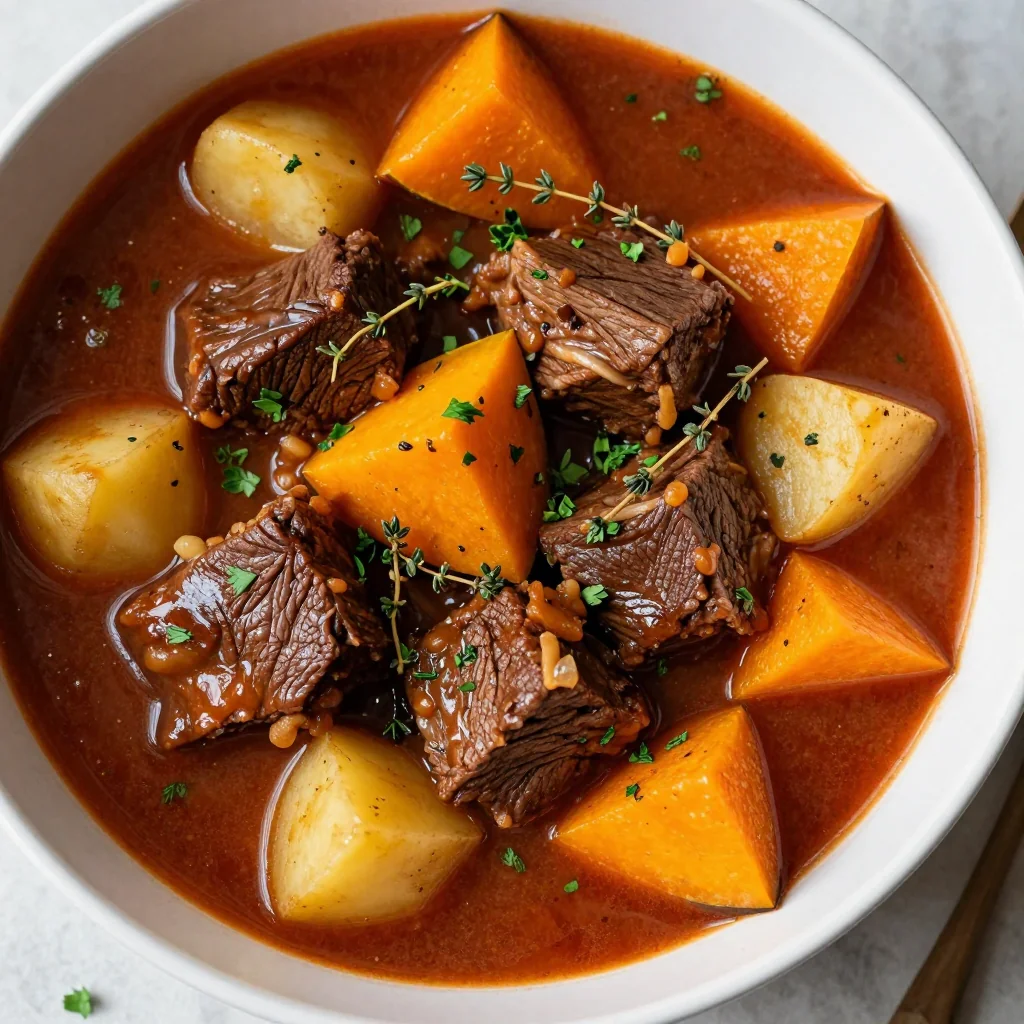
The first time I made this hash, the kitchen was still humming from the late‑night rain, and the scent of sizzling potatoes and caramelized onions drifted through the house like an invitation. I remember pulling the lid off the pan and being hit by a cloud of fragrant steam that carried notes of smoked sausage, sweet bell pepper, and a whisper of garlic—an aroma so comforting it made the cold outside feel like a distant memory. My teenage son, who usually needed a solid push to get out of bed, bolted downstairs, eyes wide, and shouted, “What’s cooking?!” That moment, the simple act of sharing a hearty breakfast, turned into a family tradition that still lives on every weekend. The dish we call the Ultimate Loaded Breakfast Hash is more than just a meal; it’s a celebration of those small, cozy moments that turn a regular morning into something unforgettable.
What makes this hash truly “ultimate” is the way each component plays its part, creating layers of flavor that build on each other like a well‑orchestrated symphony. The potatoes bring a buttery crunch, the sausage adds a smoky depth, and the cheese melts into a luscious blanket that ties everything together. Then there’s the finishing touch—a perfectly runny egg that, when broken, creates a silky sauce that coats each bite with richness. Imagine the crack of the yolk, the sizzle as the edges of the hash turn golden, and the burst of flavor that follows—pure breakfast bliss. But wait, there’s a secret ingredient that most people skip, and it’s the key to unlocking an extra‑dimensional taste you’ll want to keep to yourself.
You might be wondering why you should ditch the usual cereal or toast for something this elaborate. The answer lies in the balance of textures, the depth of flavor, and the sheer joy of creating a dish that feels like a hug on a plate. This hash isn’t just food; it’s an experience that awakens your senses, fuels your day, and leaves you with a lingering sense of satisfaction. And the best part? It’s surprisingly easy to pull together, even on a rushed weekday morning, because every step is designed to be straightforward while still delivering restaurant‑quality results. So grab your skillet, roll up your sleeves, and get ready to dive into a breakfast that will have everyone asking for seconds.
Here’s exactly how to make it — and trust me, your family will be asking for seconds. We’ll walk through each ingredient, why it matters, and the precise technique that turns ordinary components into an unforgettable hash. Along the way, I’ll share a few kitchen hacks, a common mistake to avoid, and a pro tip that will elevate your hash from good to legendary. Ready? Let’s get cooking.
🌟 Why This Recipe Works
- Flavor Depth: The combination of smoky sausage, caramelized onions, and sweet bell peppers creates a complex flavor profile that’s both hearty and bright. Each bite delivers a different nuance, keeping your palate engaged from the first forkful to the last.
- Texture Contrast: Crispy potatoes on the outside, tender on the inside, paired with the soft, melt‑in‑your‑mouth egg yolk, give you a delightful mix of crunch and creaminess that makes every mouthful exciting.
- Ease of Execution: Despite its gourmet vibe, the recipe uses simple, everyday ingredients and a single‑pan method, meaning cleanup is a breeze and you won’t need a culinary degree to pull it off.
- Time Efficiency: With a prep time of just 15 minutes and a cooking time of 30 minutes, you can have a restaurant‑style breakfast on the table before most people finish their morning coffee.
- Versatility: This hash serves as a perfect canvas for endless variations—swap the sausage for chorizo, add a handful of kale, or make it vegetarian with mushrooms and tofu. The base is forgiving and adaptable.
- Nutrition Boost: By incorporating protein‑rich eggs and sausage, fiber‑filled potatoes, and antioxidant‑packed veggies, the dish offers a balanced mix of macronutrients that will keep you energized all morning.
- Ingredient Quality: Using fresh, seasonal produce and high‑quality meats elevates the dish from a simple hash to a celebration of flavor, proving that good ingredients truly make a difference.
- Crowd‑Pleaser Factor: Whether you’re feeding a family of five or impressing brunch guests, the hearty, comforting nature of this hash appeals to all ages and taste preferences.
🥗 Ingredients Breakdown
The Foundation: Potatoes & Sweet Potatoes
Potatoes are the heart of any hash, providing that satisfying bite and a subtle, earthy flavor. I prefer russet potatoes for their high starch content, which helps them develop a crisp exterior while staying fluffy inside. Sweet potatoes add a gentle sweetness and a vibrant orange hue that makes the dish visually appealing. If you’re looking for a lower‑carb option, try cauliflower florets, but remember they release more moisture and may need a longer crisping time. Choosing firm, unblemished potatoes ensures even cooking and prevents any gritty texture.
Aromatics & Spices: Onion, Bell Pepper, Garlic & Smoked Paprika
Onions bring a natural sweetness that deepens as they caramelize, while bell peppers contribute a crisp snap and a burst of color—red peppers are my go‑to for their bright flavor. Garlic adds that unmistakable aromatic backbone, but be careful not to burn it; it turns bitter in seconds. Smoked paprika is the secret weapon that infuses the hash with a subtle smokiness without overwhelming the palate. If you love heat, a pinch of cayenne can elevate the dish, but I recommend adding it after the vegetables have softened to keep the flavor balanced.
The Secret Weapons: Smoked Sausage & Bacon
Smoked sausage (or a good quality chorizo) delivers a deep, savory flavor that permeates the entire hash. I love using a pre‑cooked kielbasa because it releases its juices without drying out. Bacon, on the other hand, adds a crispy, salty crunch that contrasts beautifully with the soft potatoes. If you prefer a vegetarian version, substitute with smoked tempeh or a hearty mushroom blend; just make sure to season well so you don’t miss that umami punch.
Finishing Touches: Eggs, Cheese, Herbs & Seasonings
A runny egg on top is the crowning glory—its golden yolk becomes a luscious sauce that binds the hash together. Sharp cheddar or pepper jack melts into a gooey blanket, adding richness and a hint of sharpness. Fresh parsley or chives bring a bright, herbaceous finish that cuts through the richness. Finally, a generous pinch of sea salt and cracked black pepper ties everything together, while a drizzle of olive oil adds a glossy sheen.
With your ingredients prepped and ready, let's get cooking. Here's where the fun really begins...
🍳 Step-by-Step Instructions
-
Start by heating a large cast‑iron skillet over medium‑high heat and adding two tablespoons of olive oil. Once the oil shimmers, add the diced potatoes in a single layer, making sure they have enough room to brown without steaming. Let them sit undisturbed for about 4 minutes, then give them a gentle stir to turn the golden sides. You’ll hear a satisfying sizzle as the edges crisp up—this is the first layer of flavor building.
💡 Pro Tip: If the potatoes start to stick, add a splash more oil and lower the heat slightly; you want them golden, not burnt. -
While the potatoes are browning, dice the onion, bell pepper, and mince the garlic. Once the potatoes are about half‑cooked, push them to the side of the pan and add the onion and bell pepper. Cook for 3‑4 minutes until they soften and begin to caramelize, stirring occasionally. The aroma should become sweet and inviting, and you’ll notice the pan filling with a golden‑brown glow.
-
Now, it’s time for the meat. Add the sliced smoked sausage and crumbled bacon to the skillet, letting the fat render and the pieces turn a deep amber. This step is crucial because the rendered fat becomes the cooking medium for the remaining ingredients, infusing everything with smoky richness. Cook for another 5 minutes, stirring occasionally, until the sausage is lightly crisped and the bacon bits are golden.
⚠️ Common Mistake: Overcrowding the pan at this stage will steam the ingredients instead of browning them, resulting in a soggy hash. -
Add the minced garlic and a generous teaspoon of smoked paprika, stirring quickly so the garlic doesn’t burn. You’ll notice the pan filling with a fragrant, slightly smoky perfume that signals the flavor base is coming together. Cook for just 30 seconds—just enough for the garlic to release its aroma but not turn bitter.
-
At this point, the potatoes should be nearly tender. Sprinkle a pinch of sea salt and cracked black pepper over everything, then give the hash a good toss to ensure even seasoning. If you like a little heat, now is the moment to add a pinch of cayenne or red pepper flakes. The color should be a beautiful mix of golden potatoes, ruby‑red peppers, and deep amber sausage.
-
Reduce the heat to low and create four small wells in the hash. Crack an egg into each well, being careful not to break the yolk. Cover the skillet with a lid and let the eggs poach in their own steam for about 4‑5 minutes, or until the whites are set but the yolks remain runny. The steam will gently cook the eggs without over‑hardening the yolks, resulting in a silky sauce that will mingle with the hash.
💡 Pro Tip: For extra‑creamy yolks, add a splash of milk or cream to the skillet before covering; the gentle steam will create a custardy texture. -
Once the eggs are cooked to your liking, sprinkle a generous handful of shredded cheddar or pepper jack cheese over the entire pan. Cover again for a minute, just until the cheese melts into a glossy, gooey layer that blankets the hash. The cheese should be bubbling and slightly browned at the edges, adding a delightful nutty flavor.
-
Finish with a final flourish: scatter freshly chopped parsley or chives over the top, drizzle a little extra‑virgin olive oil, and give the pan one last gentle toss to coat everything in the melted cheese and herb‑infused oil. Serve immediately, letting each guest break the yolk and watch it cascade over the crispy potatoes. The result? A breakfast masterpiece that’s both comforting and exhilarating.
💡 Pro Tip: If you prefer a firmer yolk, increase the covered cooking time by another minute or two; just keep an eye on the whites.
And there you have it! But before you dig in, let me share some tips that will take this from great to absolutely unforgettable…
🔐 Expert Tips for Perfect Results
The Taste Test Trick
Before you add the final seasoning, pause and take a quick taste of the hash. This “taste test” moment lets you adjust salt, pepper, or even a splash of hot sauce before the eggs set, ensuring every bite is perfectly balanced. I always keep a small spoon handy for this quick check—trust me, it’s a game‑changer.
Why Resting Time Matters More Than You Think
After the hash is cooked, let it rest for two minutes off the heat. This short pause allows the juices to redistribute, preventing the potatoes from becoming soggy when you serve. It also gives the cheese a chance to set just enough to stay in place when you slice into the dish.
The Seasoning Secret Pros Won’t Tell You
A pinch of smoked sea salt added at the very end adds a subtle depth that regular salt can’t match. The smoke particles cling to the oil and vegetables, delivering a lingering flavor that feels almost gourmet. I discovered this tip while watching a chef on a cooking show and have never looked back.
Egg Yolk Control: Soft vs. Firm
If you love a runny yolk, keep the skillet covered for exactly 4‑5 minutes. For a firmer yolk, extend the covered time to 7‑8 minutes. The key is to monitor the whites—they should be set but not rubbery. I once overcooked the eggs and learned the hard way that timing is everything.
The Crunch Factor: Double‑Sear the Potatoes
For an extra‑crunchy exterior, after the first round of browning, remove the potatoes, let them rest on a paper towel, then return them to the pan with a splash more oil for a second sear. This double‑sear technique creates a crust that stays crisp even after the other ingredients are added.
Herb Timing: Fresh vs. Dried
Fresh herbs like parsley or chives should be added at the very end to preserve their bright flavor and color. Dried herbs, on the other hand, belong earlier in the cooking process, allowing their flavors to meld with the meat and vegetables. Mixing the two can give you layers of herbaceous depth.
🌈 Delicious Variations to Try
One of my favorite things about this recipe is how versatile it is. Here are some twists I've tried and loved:
Tex‑Mex Fiesta
Swap the smoked sausage for chorizo, add black beans, corn, and a sprinkle of cumin. Top with avocado slices and a dollop of salsa for a southwestern spin that brings heat and brightness to the classic hash.
Mediterranean Delight
Replace the bacon with crumbled feta, toss in kalamata olives, sun‑dried tomatoes, and a pinch of oregano. Finish with a drizzle of lemon‑infused olive oil for a tangy, herb‑forward version that feels like a seaside brunch.
Veggie‑Power Boost
Omit the meat and double the vegetables—add sliced mushrooms, zucchini, and spinach. Use smoked tempeh or a plant‑based sausage for a protein punch, and finish with nutritional yeast instead of cheese for a dairy‑free option.
Sweet & Savory Harmony
Incorporate diced sweet potatoes alongside the regular potatoes, and add a handful of dried cranberries toward the end. The subtle sweetness pairs beautifully with the smoky sausage, creating a comforting flavor balance perfect for autumn mornings.
Cheesy Overload
Mix in a blend of cheeses—sharp cheddar, mozzarella, and a touch of blue cheese. The combination yields a gooey, tangy melt that pulls the hash together in a decadent, cheesy embrace.
Spicy Korean Kick
Use Korean‑style sausage or add gochujang (Korean chili paste) to the spice mix, and garnish with toasted sesame seeds and sliced green onions. The umami‑rich sauce adds depth and a pleasant heat that lingers pleasantly.
📦 Storage & Reheating Tips
Refrigerator Storage
Allow the hash to cool to room temperature, then transfer it to an airtight container. It will keep fresh for up to 3 days in the fridge. When you’re ready to eat, reheat gently in a skillet over medium heat, adding a splash of broth or water to revive the crispiness.
Freezing Instructions
Portion the hash into freezer‑safe bags, removing as much air as possible. Freeze for up to 2 months. To reheat, thaw overnight in the refrigerator, then warm in a skillet with a drizzle of oil, stirring until heated through and the edges regain their crunch.
Reheating Methods
For the best texture, reheat on the stovetop rather than in the microwave. A quick sear on medium‑high heat for 3‑4 minutes will bring back the golden crust. If you must use a microwave, cover the dish with a damp paper towel and heat in 30‑second intervals, stirring in between to avoid sogginess.