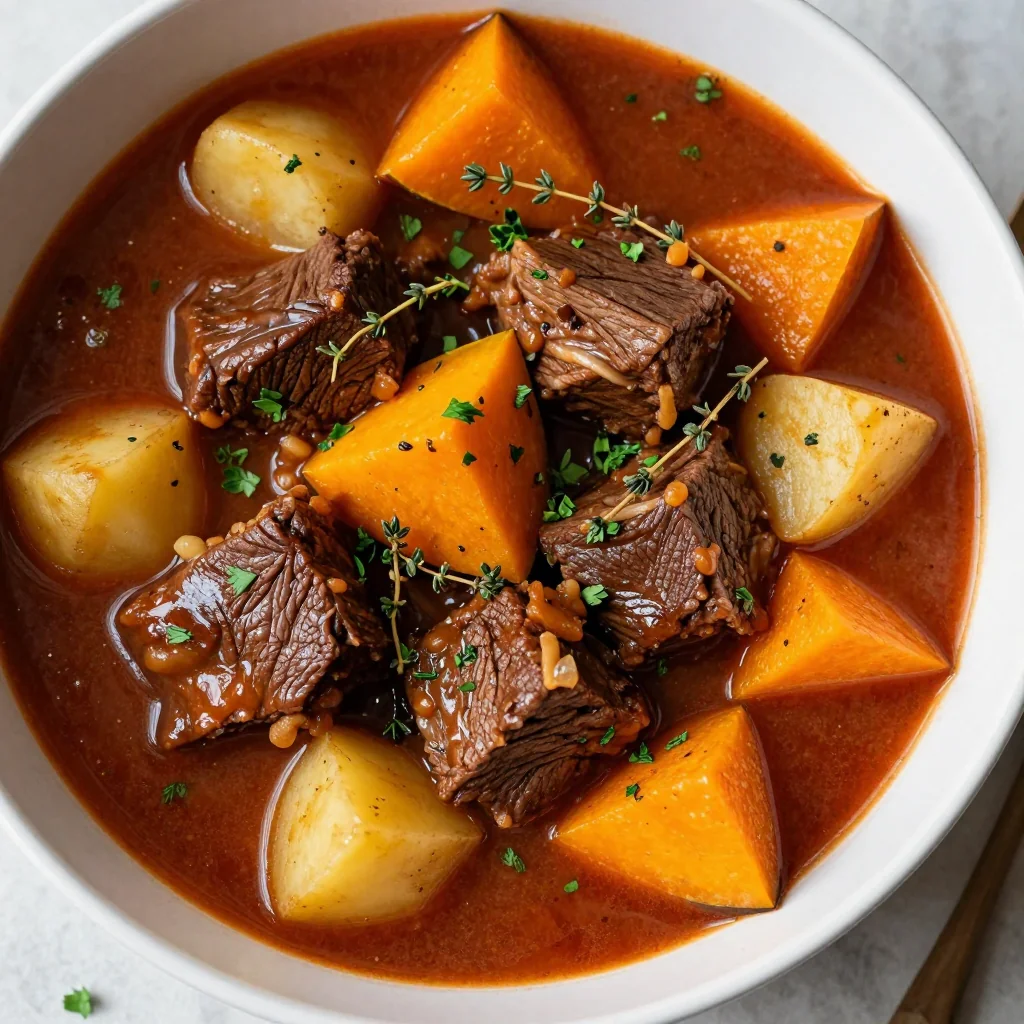
Gluten-Free Minestrone Soup
It was a crisp Saturday morning in late October, the kind of day when the leaves outside your window are doing a slow, fiery pirouette and the kitchen smells like a promise of comfort. I remember standing on a cold tile floor, pulling a pot from the cupboard, and feeling the familiar thrill that comes before a big family dinner. The moment I lifted the lid, a cloud of fragrant steam—rich with garlic, thyme, and the sweet tang of tomatoes—swirled up and wrapped around me like a warm blanket. That steam, dear reader, is the soul of any soup, and in this case, it whispered a story of tradition, health, and a little culinary rebellion against gluten.
Why does a minestrone hold such a special place in my heart? Because it’s a celebration of the garden in a bowl, a mosaic of colors that looks as good as it tastes. The bright orange carrots, the deep green kale, the ruby‑red tomatoes—all of them mingle together, each holding its own personality yet never stealing the spotlight. And because I’m gluten‑free, I’ve spent years tweaking this classic until it kept all the heart‑warming goodness without the wheat. The result? A soup that feels like a hug from your grandma, but with a modern twist that makes it safe for anyone with a gluten sensitivity.
Imagine the sound of a wooden spoon gently stirring the pot, the gentle hiss as the broth begins to bubble, and the faint crackle when the olive oil hits a hot pan—those are the symphonies that tell you you’re on the right track. But wait, there’s a secret technique in step four that will transform the texture from “good” to “mind‑blowing.” I’ll share that later, and trust me, you’ll want to bookmark this page just for that one tip. The best part? This soup is not just for cold evenings; it shines bright in summer when you’re craving something light yet nourishing.
Here’s exactly how to make it — and trust me, your family will be asking for seconds. From the first sizzle of garlic to the final garnish of dairy‑free parmesan, every moment is a chance to connect with flavors that have been passed down through generations. Ready to dive in? Grab your apron, gather the freshest veggies you can find, and let’s embark on a culinary adventure that proves gluten‑free can be just as indulgent as the original.
🌟 Why This Recipe Works
- Flavor Depth: By sautéing garlic and onion in olive oil first, you create a caramelized base that infuses the broth with a rich, aromatic foundation. This step builds layers of flavor that keep the soup tasting complex even after it cools.
- Texture Harmony: The combination of tender beans, al dente gluten‑free pasta, and crisp‑yet‑soft vegetables gives each spoonful a delightful bite. You’ll never feel mushy or one‑dimensional.
- Ease of Preparation: All the ingredients are pantry‑friendly, and the cooking process follows a logical sequence that even a beginner can master without feeling overwhelmed.
- Time Efficiency: With a total cook time of under 45 minutes, this soup fits perfectly into a busy weekday schedule while still feeling like a weekend treat.
- Versatility: Swap out kale for spinach, or use chickpeas instead of kidney beans, and the soup adapts without losing its character. It’s a canvas for seasonal produce.
- Nutrition Boost: Loaded with fiber from beans and kale, antioxidants from tomatoes, and healthy fats from olive oil, this dish fuels your body while satisfying your cravings.
- Ingredient Quality: Using low‑sodium vegetable broth and fresh herbs ensures that no artificial additives mask the natural flavors, keeping the soup clean and wholesome.
- Crowd‑Pleasing Factor: The bright colors, comforting aroma, and hearty texture make it a guaranteed hit at family gatherings, potlucks, or solo meals.
🥗 Ingredients Breakdown
The Foundation – Building the Base
Olive Oil is the silent hero of this soup. It adds richness to the base and helps the vegetables cook down, creating a glossy coat that locks in moisture. Choose extra‑virgin olive oil for its peppery notes; it will elevate the overall taste without overwhelming the other ingredients. If you’re watching calories, a light drizzle will still do the trick, but remember that the oil also carries flavor compounds that are released during sautéing.
Garlic, with its wonderful aromatic depth, is the next star. Fresh cloves, minced just before use, release allicin, a compound that adds a sharp, slightly sweet bite. If you love garlic, feel free to add an extra clove; just be mindful that too much can dominate the subtle sweetness of the carrots and tomatoes.
Yellow Onion brings a subtle sweetness and body to the soup. When cooked slowly, the onion caramelizes, turning its raw bite into a mellow, honey‑like flavor that underpins the entire dish. For a milder profile, you can swap half of the yellow onion for a sweet Vidalia.
Aromatics & Spices – The Flavor Architects
Celery and Carrots are traditional, must‑have veggies in any good minestrone. Celery adds a crisp, slightly bitter edge that balances the sweetness of carrots, which in turn contribute a natural sugar that deepens the broth’s color. When diced uniformly, they cook evenly and give the soup a pleasing visual rhythm.
Zucchini adds a fresh, slightly sweet note that brightens the soup after the long simmer. Its mild flavor means it absorbs the surrounding broth, becoming a perfect vehicle for the herbs and spices. If you’re in a hurry, you can grate the zucchini; this will help it blend seamlessly into the broth.
Dried Oregano and Fresh Parsley are the aromatic duo that adds warmth and an herby aroma that makes the soup so comforting. Oregano’s earthy, slightly bitter undertones pair beautifully with the tomato base, while parsley adds a fresh, peppery finish right before serving. For an extra pop, consider adding a pinch of red pepper flakes for a gentle heat.
The Secret Weapons – Depth and Texture
Tomato Paste intensifies the tomato flavor and adds richness. By cooking the paste briefly, you eliminate any raw, metallic taste and unlock its deep umami. This step is the difference between a watery broth and a luscious, velvety base that clings to each noodle.
Canned Diced Tomatoes are a shortcut that brings a deep, tomatoey base to your soup. They come pre‑seasoned with a hint of basil and oregano, which complements the fresh herbs you’ll add later. If you prefer a smoother texture, blend half of the canned tomatoes before adding them to the pot.
Vegetable Broth provides depth of flavor; opt for low‑sodium if possible, so you can control the final seasoning. Homemade broth is even better—simmer carrots, onion, celery, and a bay leaf for an hour, then strain. This gives you a cleaner, more nuanced flavor profile.
Kidney Beans are hearty and protein‑rich, adding a lovely texture that contrasts with the tender vegetables. Rinse canned beans thoroughly to remove excess salt and starch, which can make the soup cloudy.
Gluten‑Free Pasta keeps this soup gluten‑free while adding a chewy, comforting bite. Look for pasta made from rice or corn flour; these hold up well in broth without disintegrating. Remember to add it toward the end of cooking so it stays al dente.
Chopped Kale offers an extra boost of nutrients and a pop of color. Its slightly bitter flavor mellows as it cooks, turning a deep emerald that makes the soup visually stunning. If kale isn’t your favorite, try Swiss chard or collard greens as a substitute.
Finishing Touches – The Final Flourish
Salt and Pepper are essential for seasoning. Add salt gradually, tasting as you go; the beans and broth already contain some sodium, so you’ll want to avoid over‑salting. Freshly cracked black pepper adds a subtle heat that brightens the overall flavor.
Dairy‑Free Parmesan (optional) is a savory garnish to finish. It adds a salty, umami punch without dairy, making the soup suitable for vegans and those with dairy intolerances. Sprinkle it just before serving for a melt‑in‑your‑mouth finish.
With your ingredients prepped and ready, let's get cooking. Here's where the fun really begins...

🍳 Step-by-Step Instructions
Heat 2 tablespoons of olive oil in a large Dutch oven over medium heat. As the oil shimmers, add the minced garlic and diced yellow onion, stirring constantly. Listen for that gentle sizzle; it’s the sound of flavor forming. Cook for 3‑4 minutes until the onion turns translucent and the garlic releases its fragrant perfume, but be careful not to let it brown, which can introduce bitterness. Pro Tip: If you want a sweeter base, add a pinch of sugar at this stage to help the onions caramelize.
Add the diced celery, carrots, and zucchini to the pot. Stir them into the aromatics, letting each piece coat in the olive oil. You’ll hear a soft, welcoming pop as the vegetables hit the hot pan. Cook for about 5 minutes, allowing the carrots to soften slightly while retaining a hint of crunch. This step is crucial because it builds the layered texture that makes each spoonful interesting.
Sprinkle in the dried oregano, then pour in the tomato paste. Let the paste brown for 2 minutes, stirring constantly to avoid sticking. The kitchen will fill with a deep, earthy aroma that signals the broth is about to become richly flavored. If you notice the paste sticking, splash in a splash of broth to deglaze. Common Mistake: Skipping this browning step can leave the soup tasting flat and tomato‑watered.
Now, add the canned diced tomatoes and vegetable broth, stirring to combine. Bring the mixture to a gentle boil, then reduce the heat to a simmer. As the soup bubbles, you’ll see the colors deepen, turning a vibrant ruby‑red. Let it simmer uncovered for 10 minutes, allowing the flavors to meld. This is where patience really pays off — I learned that the hard way when I rushed this step and ended up with a watery broth.
Introduce the kidney beans and chopped kale. The beans will warm through, while the kale wilts, turning a glossy emerald. Cook for another 5 minutes, watching the kale’s texture shift from tough to tender. If you prefer a softer kale, cover the pot for a minute or two; the steam will accelerate the cooking.
At this point, add the gluten‑free pasta. Because gluten‑free pasta can become gummy if overcooked, set a timer for the pasta’s recommended al dente time (usually 8‑10 minutes). Stir gently to keep the noodles from sticking to the bottom. The broth will thicken slightly as the pasta releases starch, creating a silkier mouthfeel.
Season with salt and freshly cracked black pepper to taste. Remember, the beans and broth already contain some salt, so add gradually, tasting after each pinch. Finish with a handful of fresh parsley, stirring it in just before you turn off the heat. The parsley’s bright green flecks will lift the entire bowl, both visually and aromatically.
If you’re using dairy‑free parmesan, grate it over each serving now. The heat of the soup will melt the cheese just enough to create a velvety finish. Let the soup rest for 2 minutes; this pause lets the flavors settle and the pasta finish cooking in the residual heat. Go ahead, take a taste — you’ll know exactly when it’s right.
And there you have it! But before you dig in, let me share some tips that will take this from great to absolutely unforgettable...
🔐 Expert Tips for Perfect Results
The Taste Test Trick
Before you finish cooking, pull a spoonful out and let it cool for a few seconds. Taste and adjust the seasoning now, because flavors concentrate as the soup sits. If it feels a bit flat, a splash of lemon juice or a pinch of smoked paprika can revive it. I once served a batch to a friend who claimed it needed “something extra,” and that extra turned out to be a drizzle of balsamic reduction.
Why Resting Time Matters More Than You Think
After turning off the heat, cover the pot and let the soup rest for 5‑10 minutes. This resting period allows the pasta to absorb the remaining broth, creating a silkier texture. It also gives the kale a chance to fully soften, ensuring every bite is uniformly tender. Trust me, the difference between a rushed serve and a rested bowl is night and day.
The Seasoning Secret Pros Won’t Tell You
A dash of umami‑boosting soy sauce (gluten‑free, of course) can deepen the broth without making it taste “soy.” Add it at the very end, just a teaspoon, and you’ll notice a richer, more rounded flavor profile. I discovered this trick while watching a culinary masterclass, and it’s become my secret weapon for soups and stews.
Mind the Pasta Water
If your soup looks a bit thin after the pasta is done, reserve a cup of the pasta cooking water (or extra broth) and stir it in gradually. The starchy water helps bind the broth, giving it a luxurious body without adding cream. This is especially useful for gluten‑free pasta, which can sometimes release less starch than wheat pasta.
The Final Garnish Game‑Changer
A drizzle of high‑quality extra‑virgin olive oil right before serving adds a glossy finish and a burst of fruitiness. Pair it with a sprinkle of crushed red pepper flakes for a subtle heat that awakens the palate. I love to finish each bowl with a small curl of fresh basil, even if it’s not listed in the main ingredient list; it adds an aromatic flourish that feels restaurant‑worthy.
🌈 Delicious Variations to Try
One of my favorite things about this recipe is how versatile it is. Here are some twists I've tried and loved:
Mediterranean Twist
Swap the kale for a handful of chopped spinach and add a cup of artichoke hearts. Finish with a sprinkle of feta (or dairy‑free feta) and a drizzle of lemon‑infused olive oil. The result is a brighter, tangier bowl that feels like a seaside lunch.
Hearty Autumn Harvest
Replace the zucchini with diced butternut squash and add a teaspoon of smoked paprika. The sweet, nutty flavor of the squash pairs beautifully with the earthy beans, making the soup perfect for chilly evenings. Serve with a slice of toasted gluten‑free sourdough for extra comfort.
Spicy Southwest
Introduce a cup of black beans, a diced jalapeño, and a teaspoon of cumin. Top each serving with avocado slices and a dollop of dairy‑free sour cream. This version brings a smoky heat that will surprise anyone expecting a traditional Italian profile.
Creamy Coconut Curry
Add ½ cup of coconut milk and a tablespoon of red curry paste after the tomatoes have simmered. The coconut adds a silky richness while the curry paste introduces layers of spice. Garnish with fresh cilantro and lime wedges for an exotic twist.
Protein‑Packed Power
Stir in cooked shredded chicken or turkey breast, and increase the beans to a mix of kidney and cannellini. This variation boosts the protein content, making it an ideal post‑workout meal. The added meat absorbs the broth’s flavors, turning each bite into a savory delight.
📦 Storage & Reheating Tips
Refrigerator Storage
Allow the soup to cool to room temperature before transferring it to airtight containers. It will keep nicely for up to 4 days in the fridge. When storing, keep the pasta separate if you anticipate a longer hold; this prevents it from soaking up too much liquid and becoming mushy.
Freezing Instructions
For longer storage, freeze the soup in portion‑sized freezer bags or containers, leaving a little headspace for expansion. It freezes well for up to 3 months. To preserve texture, consider freezing the broth and veggies separately from the pasta, then combine and reheat together.
Reheating Methods
When reheating, add a splash of vegetable broth or water to revive the soup’s moisture. Heat gently on the stovetop over medium heat, stirring occasionally, until it reaches a gentle simmer. For microwave reheating, cover the bowl with a microwave‑safe lid and heat in 30‑second bursts, stirring in between. The trick to reheating without drying it out? A splash of broth or even a drizzle of olive oil right before serving.